Overview
The Guardian Council (Persian: شورای نگهبان, Shourā-ye Negahbān) is a 12-member body that wields considerable power and influence in the Islamic Republic of Iran. Established by the 1979 Constitution, it serves as the ultimate gatekeeper of Iranian politics.
The Council is composed of 6 Islamic clerics (appointed directly by the Supreme Leader, who can dismiss them at will) and 6 jurists (elected by Parliament from among Muslim jurists nominated by the Chief Justice). Membership is for phased six-year terms — half the membership changes every three years.
12
Total Members
6
Clerics (Supreme Leader)
6
Jurists (Parliament)
6
Year Terms
Constitutional Powers
- Veto legislation: Nullify any law passed by Parliament as unconstitutional or incompatible with Islamic law
- Vet candidates: Approve or disqualify all candidates for presidential, parliamentary, Assembly of Experts, and local elections
- Supervise elections: Oversee all electoral processes and certify results
- Interpret Constitution: Serve as constitutional court with authority to interpret the Constitution (requires 3/4 majority)
Cleric Members (Appointed by Supreme Leader)

Ahmad Jannati
Secretary & De Facto Leader
Born 1934. Secretary of the Guardian Council since 1992 — the longest-serving member. Hardline conservative and close ally of the Khamenei family. Played key role in certifying the controversial 2009 presidential election results. Also member of the Expediency Council.
Cleric — Appointed by Supreme Leader

Alireza Arafi
Member
Born 1959 in Meybod. Senior cleric serving on both the Guardian Council (since 2019) and the Assembly of Experts (since 2022). Also Second Deputy Chairman of the Assembly of Experts. Played key role in the interim leadership council after Ali Khamenei's assassination.
Cleric — Appointed by Supreme Leader

Ahmad Khatami
Member
Prominent conservative cleric. Member of the Guardian Council and the Assembly of Experts (representing Kerman Province). Brother of former President Mohammad Khatami.
Cleric — Appointed by Supreme Leader

Mehdi Shabzendedar Jahromi
Member
Senior cleric and member of the Society of Seminary Teachers of Qom. Serves on the Guardian Council. Known for his conservative views on religious and social issues.
Cleric — Appointed by Supreme Leader
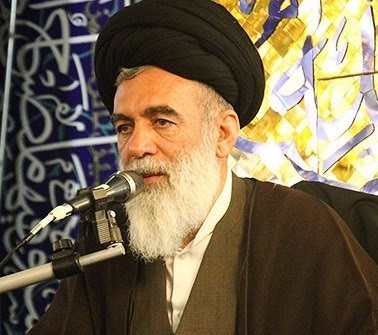
Ahmad Hosseini Khorasani
Member
Shia cleric representing Razavi Khorasan Province in the Assembly of Experts. Also serves on the Guardian Council. Member of the Society of Seminary Teachers of Qom.
Cleric — Appointed by Supreme Leader

Mohammad-Reza Modarresi Yazdi
Member
Shia cleric and jurist. Serves on the Guardian Council and the Assembly of Experts (representing Razavi Khorasan Province). Known for his expertise in Islamic jurisprudence.
Cleric — Appointed by Supreme Leader
Jurist Members (Elected by Parliament)

Mohsen Esmaeili
Member
Legal scholar and jurist. Elected by Parliament to the Guardian Council. One of the few non-clerics on the Council. Known for his expertise in constitutional law.
Jurist — Elected by Parliament
Sam Savadkouhi
Member
Legal expert and jurist. Elected by Parliament to the Guardian Council. Specializes in administrative and constitutional law.
Jurist — Elected by Parliament

Nejatollah Ebrahimian
Member
Legal scholar and jurist. Elected by Parliament to the Guardian Council. Known for his work in civil law and legal education.
Jurist — Elected by Parliament
Notable Actions & Controversies
The Guardian Council has been a central player in Iranian politics, often criticized for:
- 2009 Election: Certified the controversial presidential election results that sparked the Green Movement protests
- Candidate Disqualifications: Systematically disqualified reformist candidates from running in elections, particularly in 2004, 2008, and 2013
- Legislative Vetoes: Routinely vetoed bills passed by Parliament, particularly those related to women's rights, electoral reform, and human rights treaties
- IRGC Influence: Favored military/IRGC candidates over civilian reformists, increasing the IRGC's role in everyday politics